
Port Perry:
The Little Lake Town That Survived Fires, Bet on the Railway, and Never Stopped Reinventing Itself
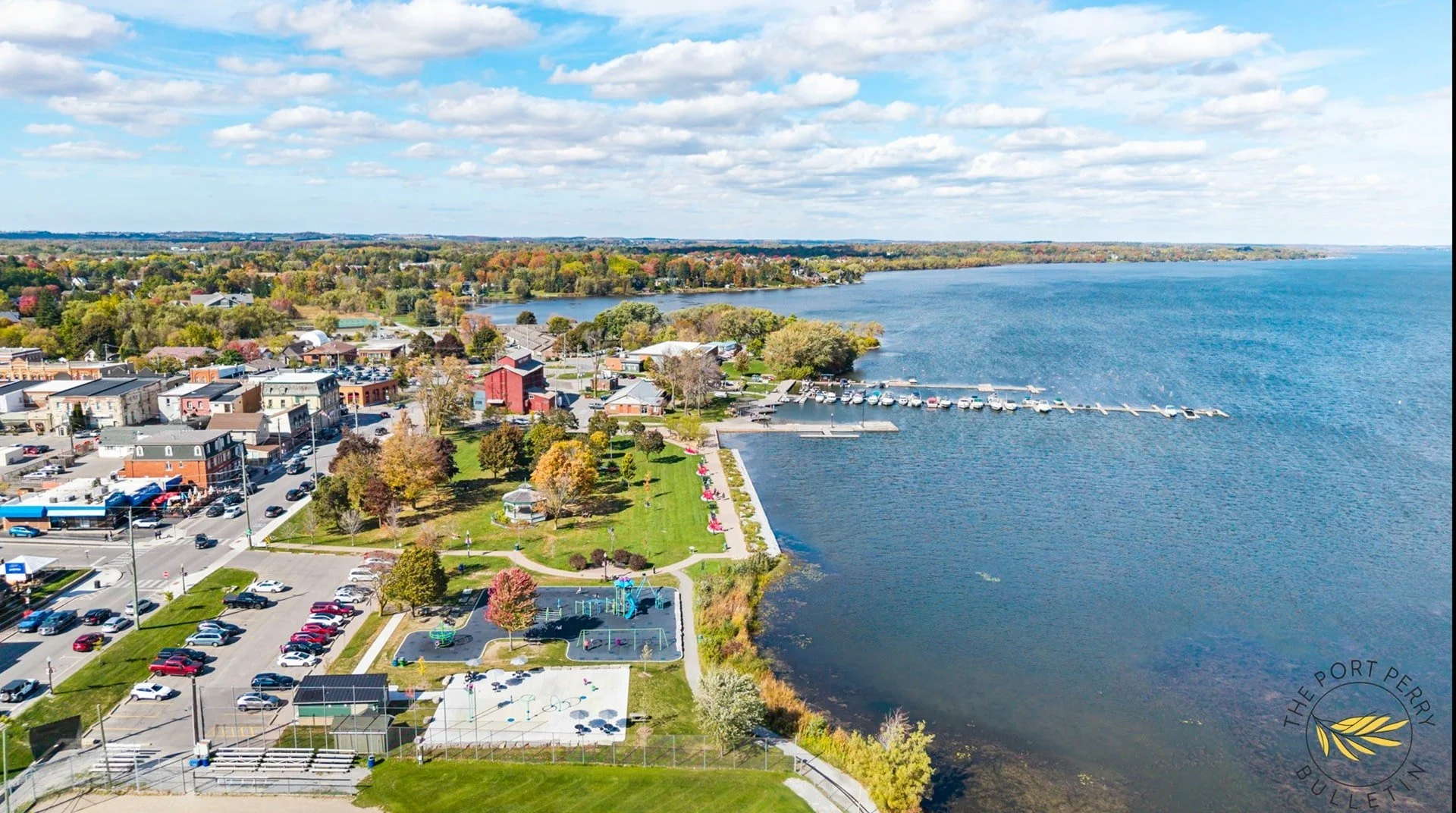
Take a walk down Queen Street today and it's easy to believe Port Perry has always looked exactly as it does now.
The red brick buildings. The historic storefronts. The views over Lake Scugog. The grain elevator standing watch over the waterfront.
But the Port Perry we know and love today was never guaranteed.
It was shaped by ambitious ideas, fierce competition, devastating setbacks, and a community that refused to let its story end.
Before There Was Port Perry
Long before roads, railways, and storefronts lined the lakeshore, this area was home to the Michi Saagiig (Mississauga) people, an Anishinaabe nation whose connection to the land and waters of Lake Scugog stretches back generations and continues today through the Mississaugas of Scugog Island First Nation.
The lake, marshes, forests, and waterways were part of seasonal routes for hunting, fishing, gathering, and community life. A relationship with the land that remains an important part of this area's identity.
A Lake That Changed Everything
One of Port Perry's most surprising stories is that Lake Scugog, as we know it today, wasn't always here.
In the 1830s, efforts to power mills downstream changed the landscape dramatically. A dam built on the Scugog River raised the water level and transformed marshlands into the larger lake basin that would eventually become the heart of the community.
The first attempt created concerns among local residents and was removed, but later improvements stabilized the water levels and made the lake a valuable route for transportation.
Suddenly, this quiet area had something incredibly valuable: a connection.
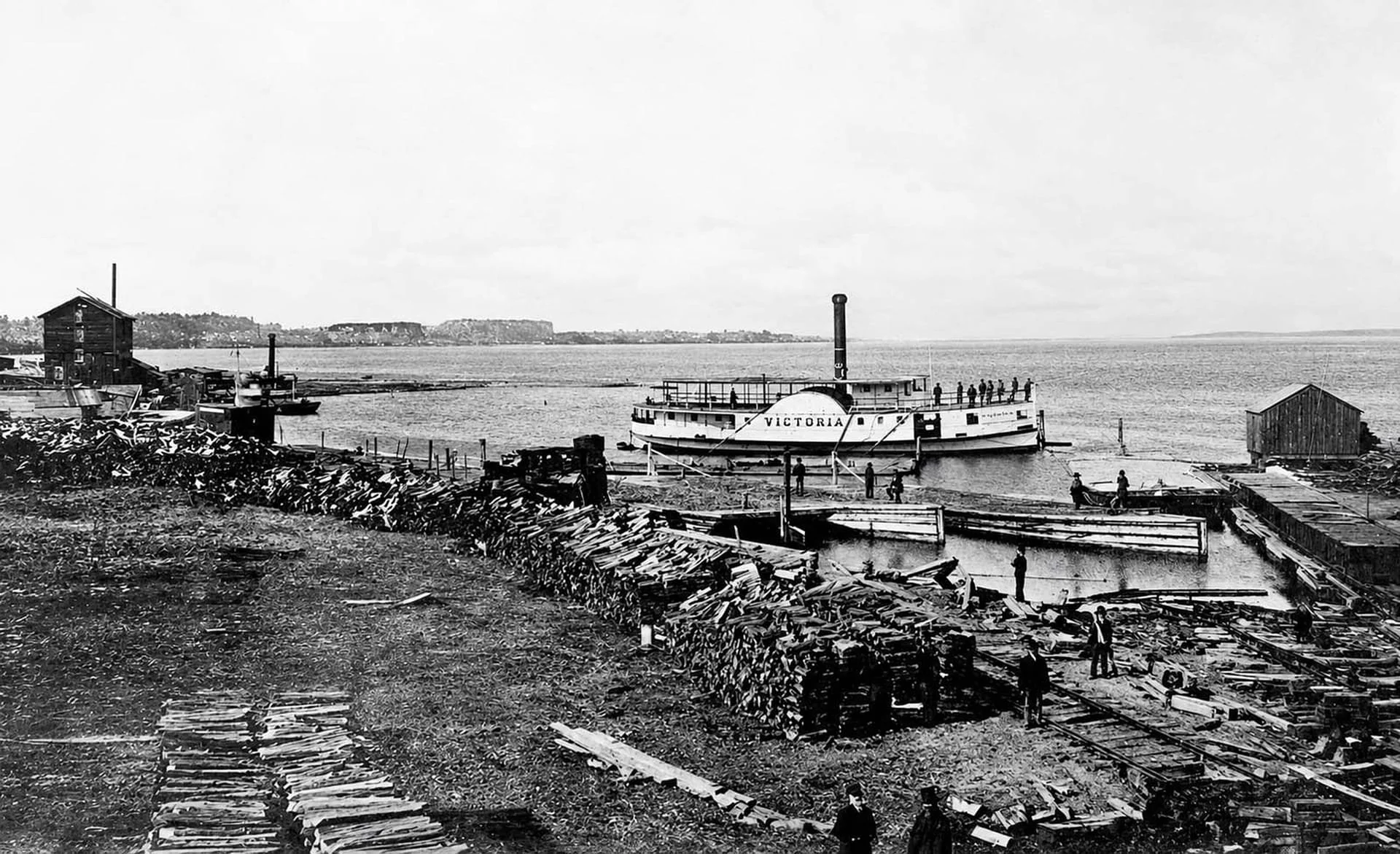
Steamboats soon travelled across Lake Scugog, carrying passengers, grain, lumber, and supplies between growing settlements around the shoreline.
And one person saw an opportunity.
The Village That Chose the Water
In the mid-1800s, the future of the region was far from decided.
Nearby communities like Prince Albert, Manchester, and Borelia were all competing to become the area's main centre of business and trade.
Port Perry was the underdog.
When Peter Perry laid out village lots along the waterfront, he made a bold bet that the lake would become the community's greatest advantage.
He was right.
By the early 1850s, the village officially took his name: Port Perry.
But the biggest gamble was still ahead.
The Railway That Changed Everything
A lakeside village could only grow so much without reliable connections to the outside world.
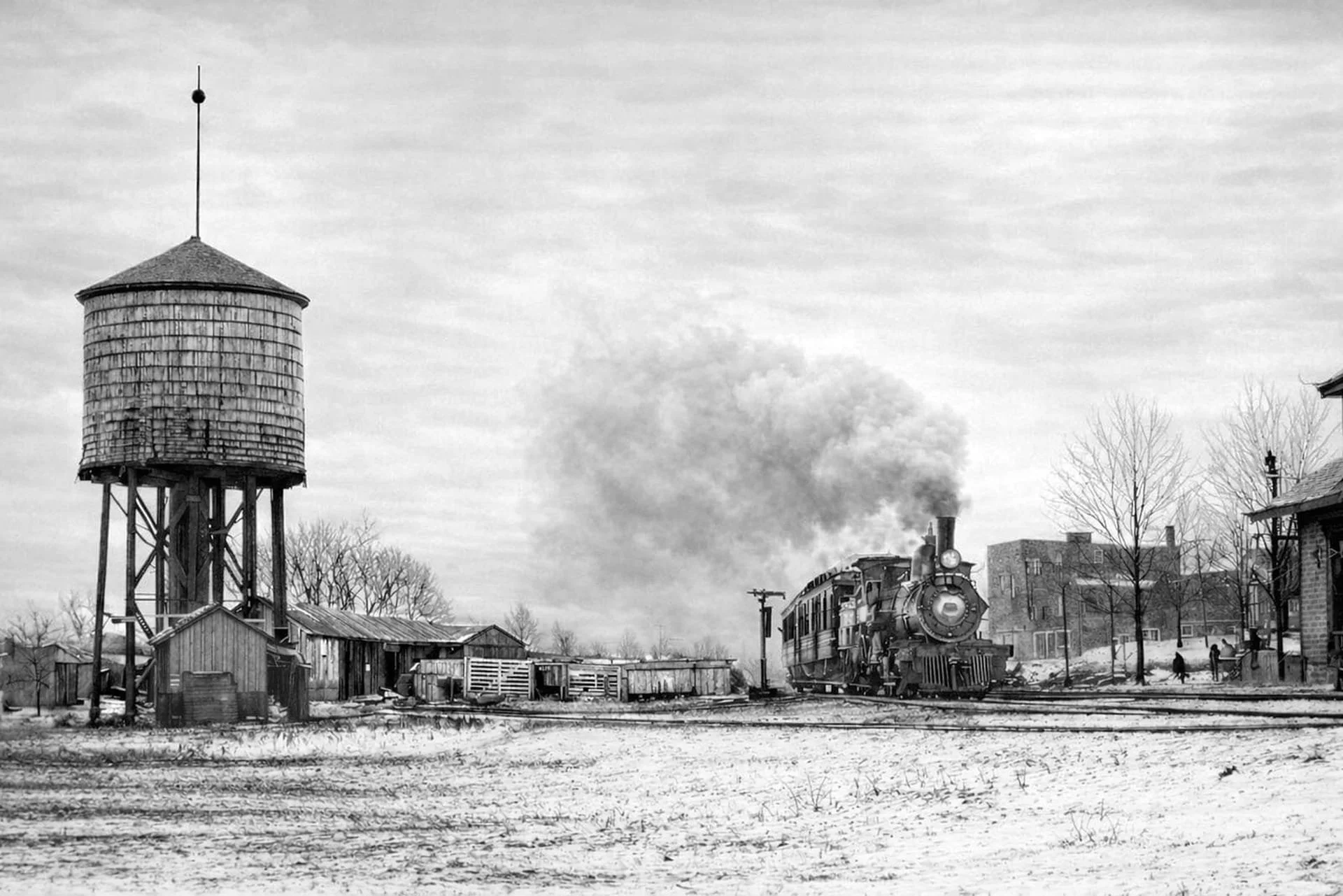
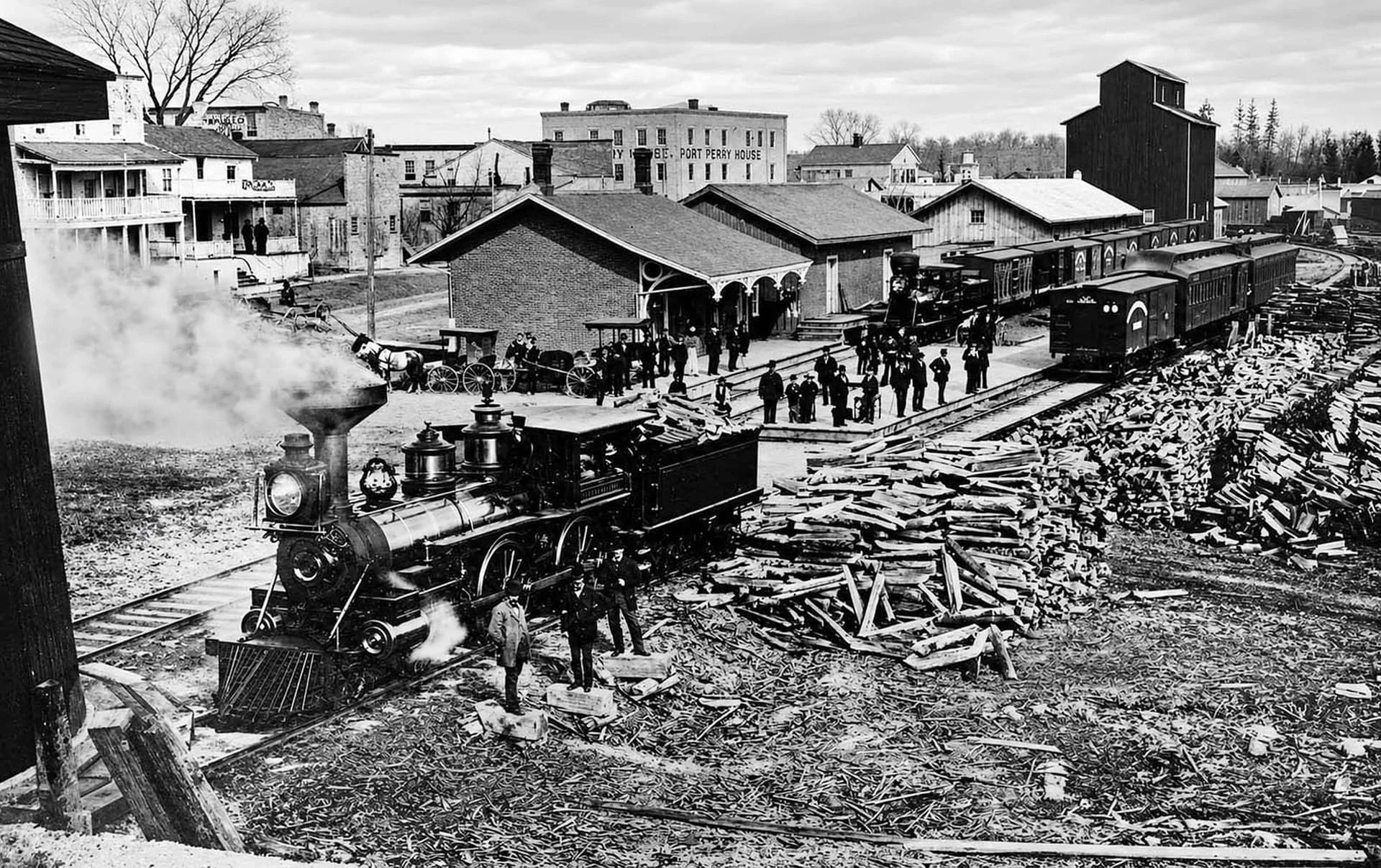
Local leaders fought hard to bring a railway to Port Perry, despite years of financial struggles and uncertainty. When the Port Whitby & Port Perry Railway finally arrived in the early 1870s, it changed everything.
Goods moved faster. Businesses grew. The town became a transportation hub.
Soon after, the iconic grain elevator was built at the foot of Queen Street. More than 150 years later, it still stands as one of Port Perry's most recognizable landmarks and a reminder of the town's industrial beginnings.
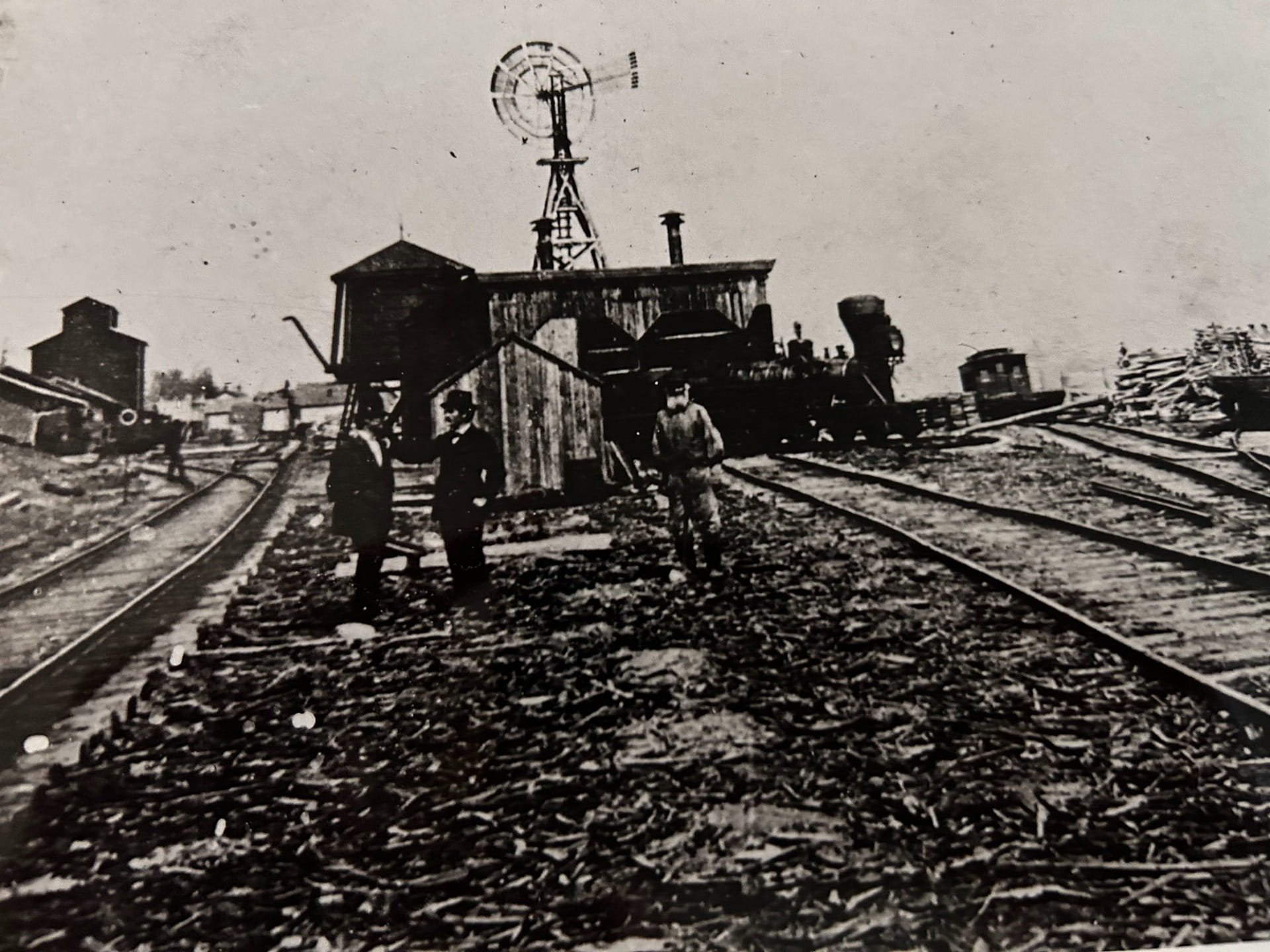
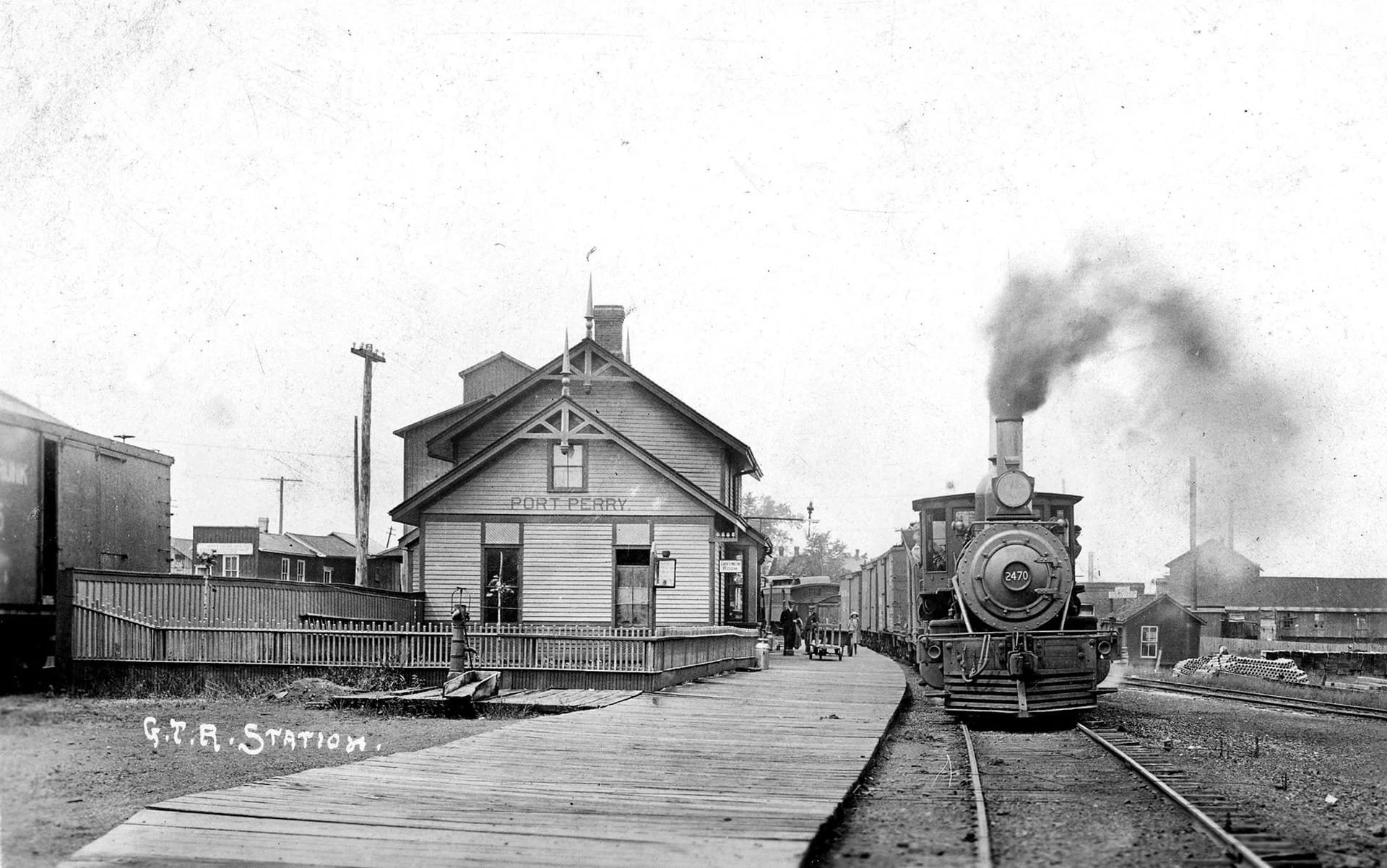
The Fires That Nearly Destroyed Downtown
Then disaster struck.
Not once.
Twice.
Within seven months in the 1880s, two devastating fires swept through Port Perry's downtown.
The second and larger fire tore through the heart of the village with incredible speed, destroying dozens of businesses, homes, and gathering places in less than an hour.
Many communities might have struggled to recover.
Port Perry rebuilt.
And this time, they rebuilt differently.
The beautiful brick buildings that give Queen Street its unmistakable character today exist because the community chose stronger materials after the fires.
In a strange way, one of the greatest tragedies in Port Perry's history helped create one of its greatest treasures.
A Community That Fought for Its History
Port Perry's residents have never been afraid to protect what makes the town special.
The old Town Hall, built in 1873, served many different purposes over the years; including a municipal office, courtroom, jail, skating rink, movie theatre, and even a ladies' garment factory.
By the 1970s, the building faced demolition.
But residents rallied to save it.
Their efforts preserved a piece of local history that continues to serve the community today as the Town Hall 1873 Theatre.
It was a powerful reminder that progress and preservation could exist side by side.
From Steamships to Film Sets
Like every successful town, Port Perry continued to adapt.
The era of steamboats eventually gave way to railways, and railways gave way to automobiles. Industries changed. New businesses arrived. The community evolved.
The same historic streets that once welcomed farmers, merchants, and railway workers would eventually attract something entirely different: movie cameras.
Port Perry's preserved downtown and picturesque waterfront have appeared in numerous film and television productions, introducing the charm of this little lake town to audiences far beyond Durham Region.
Today, tourism, local businesses, agriculture, health care, and the Mississaugas of Scugog Island First Nation's growing hospitality and entertainment presence all play an important role in the local economy.
A Town That Never Stopped Reinventing Itself
Port Perry's history is not just a story of old buildings and important dates.
It is a story of people making bold decisions.
They changed the landscape to create a lake. They fought to bring a railway. They rebuilt after losing their downtown. They protected the landmarks that made the community unique.
Again and again, Port Perry faced change and chose to adapt rather than disappear.
And perhaps that's the reason it still feels so special today.
Behind every brick building, waterfront view, and quiet street is a reminder that this little lake town has been reinventing itself for generations.
(Photos courtesy of the Lake Scugog Historical Society)